Printed Lace Vol. 16: Vintage Paper Textures for Modern Projects
A Closer Look at the Printed Lace Papers Collection
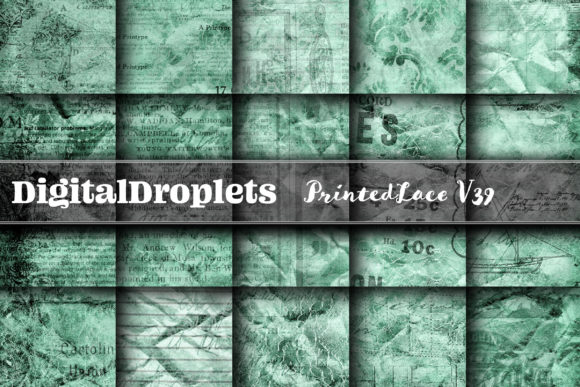
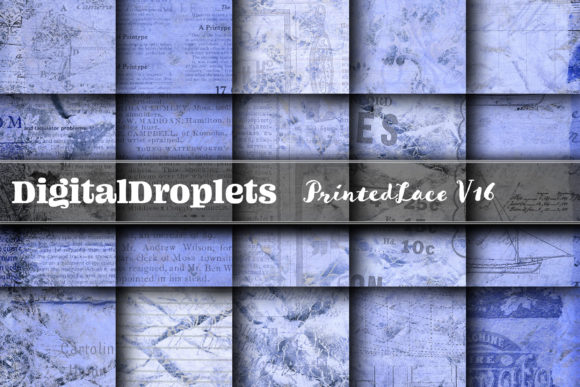
The Printed Lace Vol. 16 collection offers a distinct set of digital design assets that bridge vintage aesthetics with contemporary digital crafting needs. This particular set includes 10 high-resolution JPEG files, each sized at 12x12 inches and 300dpi, ensuring quality for both digital and print applications. What sets these papers apart is their layered composition: vintage paper backgrounds are overlaid with crumpled paper textures, all infused with intricate lace patterns. Each of the 10 papers features a unique border, framing the central design with a different paper texture, adding depth and a handcrafted feel. The core style alternates between newspaper-inspired layouts and other aged writing elements, giving each sheet its own story and personality.
The overall appeal of the Printed Lace Vol. 16 collection lies in its ability to evoke nostalgia without feeling dated. The lace patterns introduce a delicate, feminine touch, while the crumpled paper overlay and newspaper elements add a layer of gritty, authentic texture. This combination creates a versatile visual language that can be adapted to various themes—whether you're aiming for romantic, shabby chic, rustic, or eclectic styles. The papers are designed to serve as foundational backgrounds, but their detailed composition allows them to stand as focal points in simpler layouts.
Practical Applications Across Creative Fields
For scrapbookers and junk journal enthusiasts, these papers provide instant depth and character. Use them as full-page backgrounds to anchor photos, ephemera, and handwritten notes. The built-in borders are particularly useful for creating layered compositions without additional cutting or framing. In card making, a single sheet from the Printed Lace Vol. 16 set can be trimmed to create a textured base for a birthday card or thank-you note, with the lace pattern peeking through behind stamped sentiments or die-cut shapes.
Beyond traditional paper crafts, these textures have significant value in digital design and branding. Bloggers and content creators can use them as subtle website backgrounds or social media graphics to establish a vintage, artisanal vibe. For entrepreneurs developing a brand identity, especially in niches like boutique retail, stationery, or handmade goods, incorporating these textures into packaging design, logo backgrounds, or promotional materials can convey authenticity and attention to detail. The papers also work well for creating digital washi tape strips, tags, and envelope liners in planner stickers or digital kits.
In editorial and publishing contexts, these backgrounds can enhance chapter title pages, section dividers, or quote graphics in digital magazines and e-books. Photographers might find them useful as textured overlays for photo borders or as standalone backdrop elements in styled flat-lay photography. The key is to leverage the existing complexity of the design—often, the best approach is to pair these richly textured papers with cleaner, simpler typography and graphics to maintain visual hierarchy and readability.
Design Considerations and Implementation Tips
When integrating the Printed Lace Vol. 16 papers into a project, consider the visual weight of the texture. Because these backgrounds are detailed, they work best when contrasted with simpler, more minimalist elements. For text overlay, choose a clean sans-serif or a straightforward serif font to ensure legibility against the intricate lace and paper patterns. Avoid overly decorative script fonts for body text, as they can get lost in the texture; reserve them for short headlines or accents where size can compensate for complexity.
Color palette coordination is another important factor. The vintage papers in this collection likely feature muted, aged tones—think sepia, cream, soft grays, and faded ink blues. Build your project's color scheme around these base tones to create a cohesive look. Pull accent colors from the lace patterns or the newspaper print to unify your design elements. This approach helps the textured background feel integrated rather than pasted on.
For commercial use, it's always prudent to review the specific licensing terms provided with the purchase. Typically, digital paper sets like this are licensed for both personal and commercial projects, but restrictions may apply regarding redistribution of the original files. The high-resolution format (300dpi) makes these papers suitable for professional print projects, but always test a small section first to ensure the texture reproduces well at your desired print size.
Finally, don't overlook the power of layering and opacity adjustments. In digital design software, you can reduce the opacity of the Printed Lace Vol. 16 background to soften its impact, allowing it to support rather than dominate your primary content. You can also layer multiple papers from the set or combine them with solid color fills to create custom textures that are uniquely yours. The goal is to use these assets as a starting point for your creativity, adapting them to fit the specific needs and personality of your project.